
T
he following guide to birthstones has been excerpted from Gemological Institute of America (GIA). The full breakdown, including countries of origin, can be found at www.GIA.edu. This story appears in the COUTURE Magazine, The Fall 2026 Issue.
Header image courtesy of Marco Bicego
Birthstones carry secrets, attributes and lore that are unique to each gemstone. There are countless myths and legends around the many different powers and attributes that birthstones have.
Cultus Artem
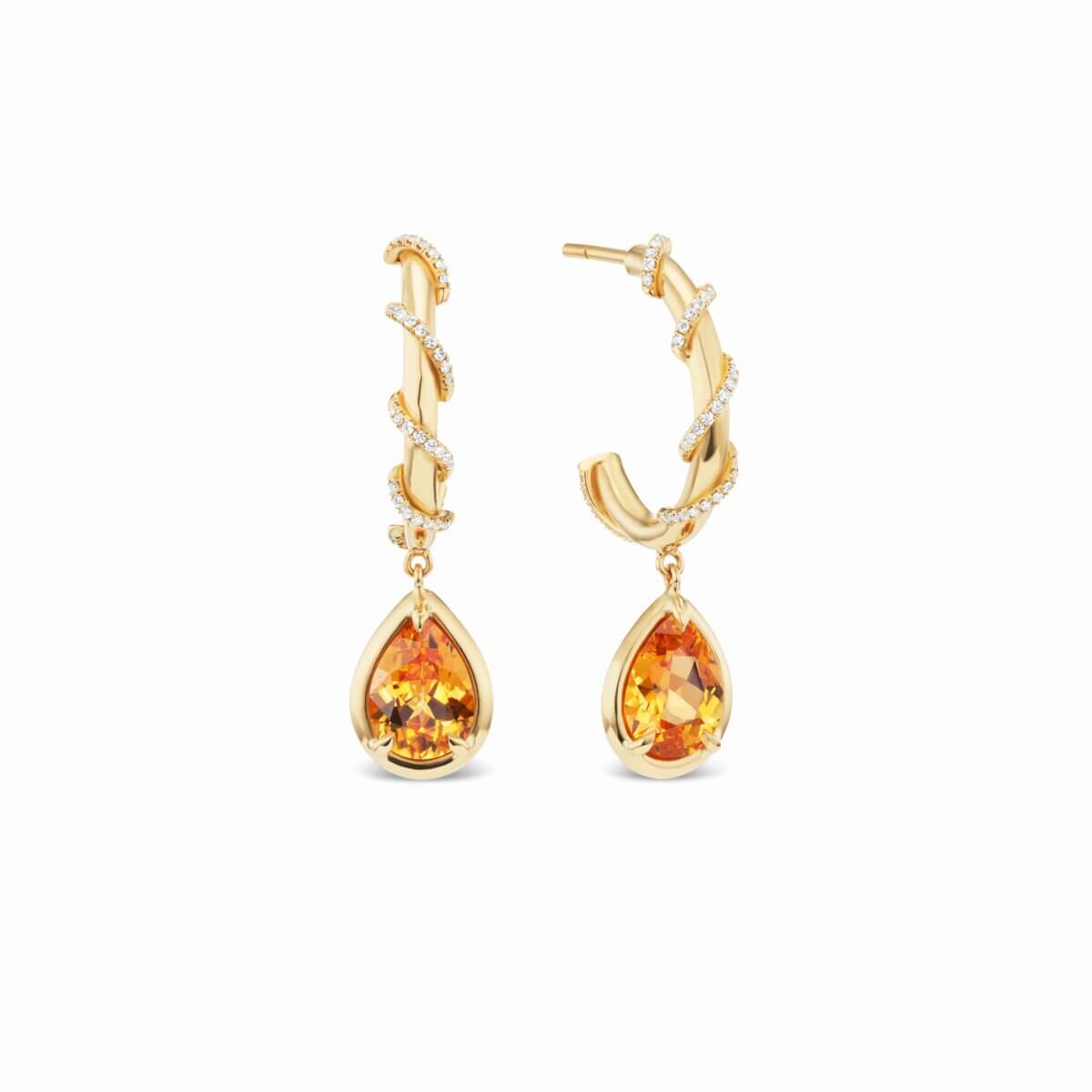
Image courtesy of Vanessa Fernández
January: Garnets
Those born in January are lucky to have the beautiful and diverse garnet as their birthstone. Garnets are commonly red but also come in an extraordinary range of beautiful colors. Some believe the true value of the garnet birthstone is its power to bring the wearer good health, wealth and happiness.
According to Indian astrology, garnet helps eliminate negative feelings and instills greater self-confidence and mental clarity to promote creative thinking and peace of mind. In ancient and medieval times, gems like garnet were also thought to be remedies for inflammatory diseases and to sooth an angry heart.
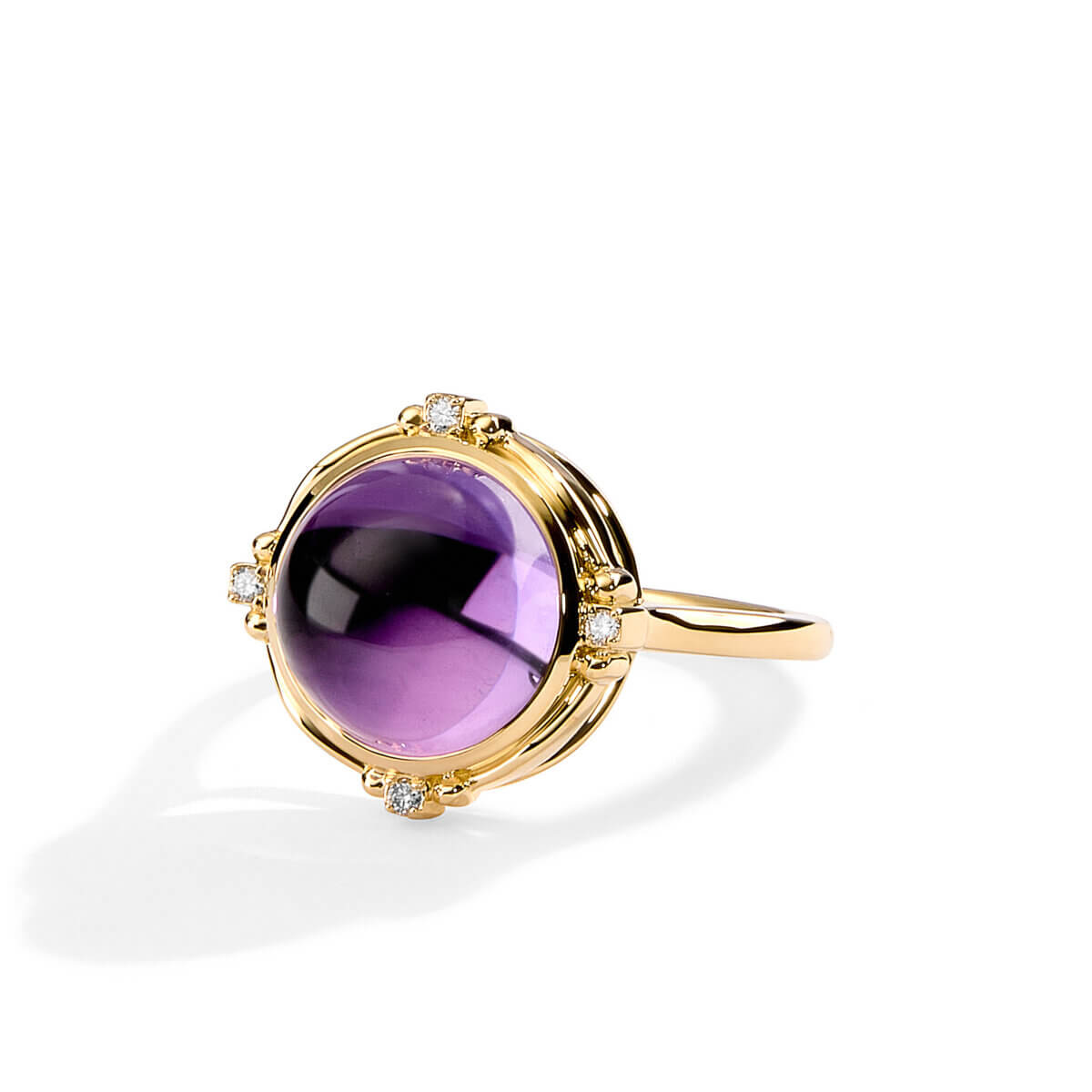
Image courtesy of SYNA
February: Amethyst
If you were born in February, your birthstone is amethyst – the purple variety of quartz that has captivated mankind for millennia. If your birthday is in February, then wearing an amethyst can be a symbol of personal empowerment and inner strength.
Amethyst lore also includes several claims to mystical powers, including that it would convey strength and wit to those who wore it. If you celebrate a February birthday, wearing an amethyst can be a symbol of personal empowerment and inner strength.
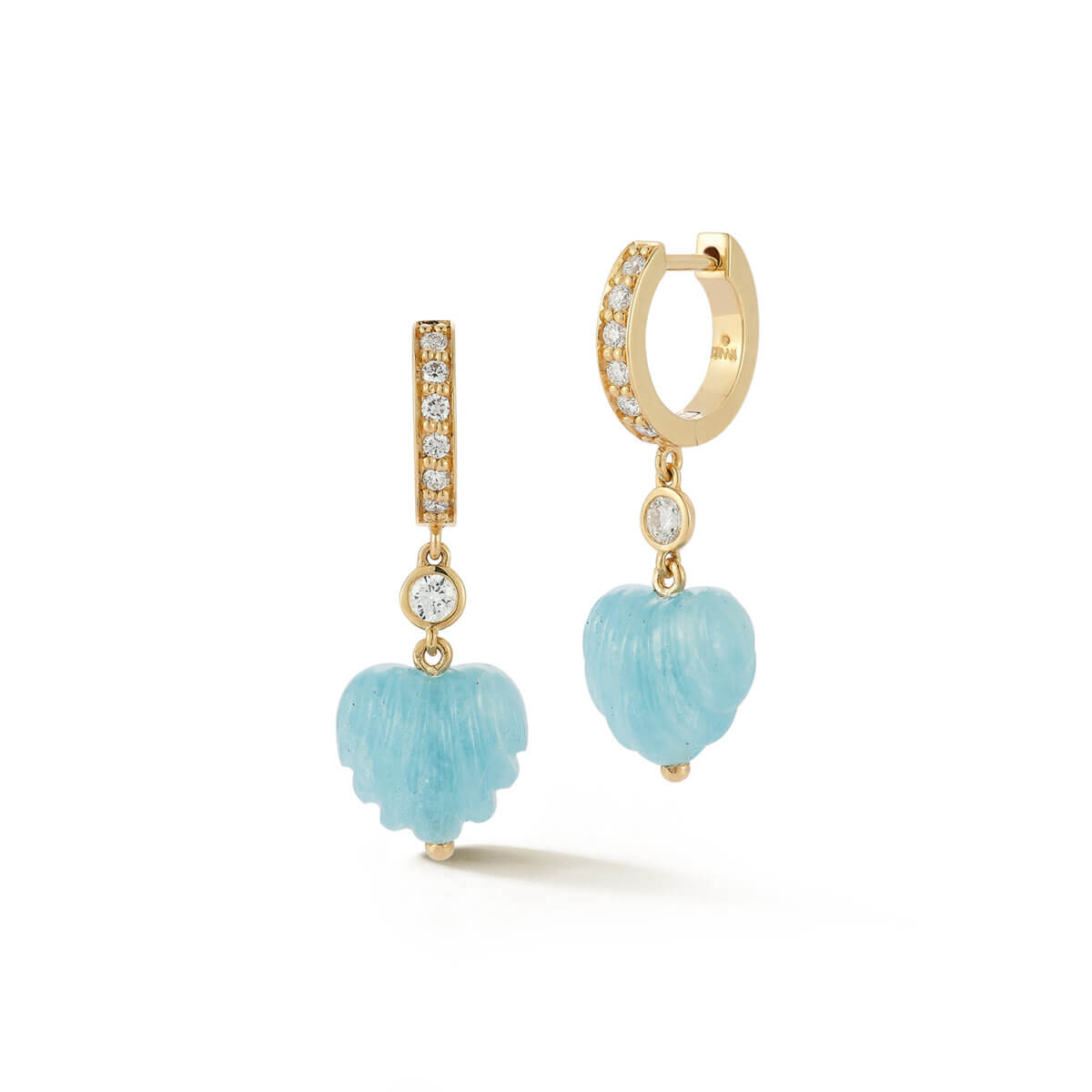
Image courtesy of RENNA
March: Aquamarine & Bloodstone
Aquamarine and bloodstone, March’s two birthstones, are very different when it comes to appearance, but they share a similar reputation for protecting one’s well-being. Faceted aquamarines symbolize purity of spirit and soul. Aquamarine’s name comes from the Latin for seawater, and ancient mariners claimed this March birthstone would calm waves and keep sailors safe at sea. It was also thought to bring happiness in marriage.
The bloodstone birthstone brings health and strength to the wearer. Several metaphysical properties have been attributed to bloodstone, including increasing strength, giving invisibility, and preserving health and youth.
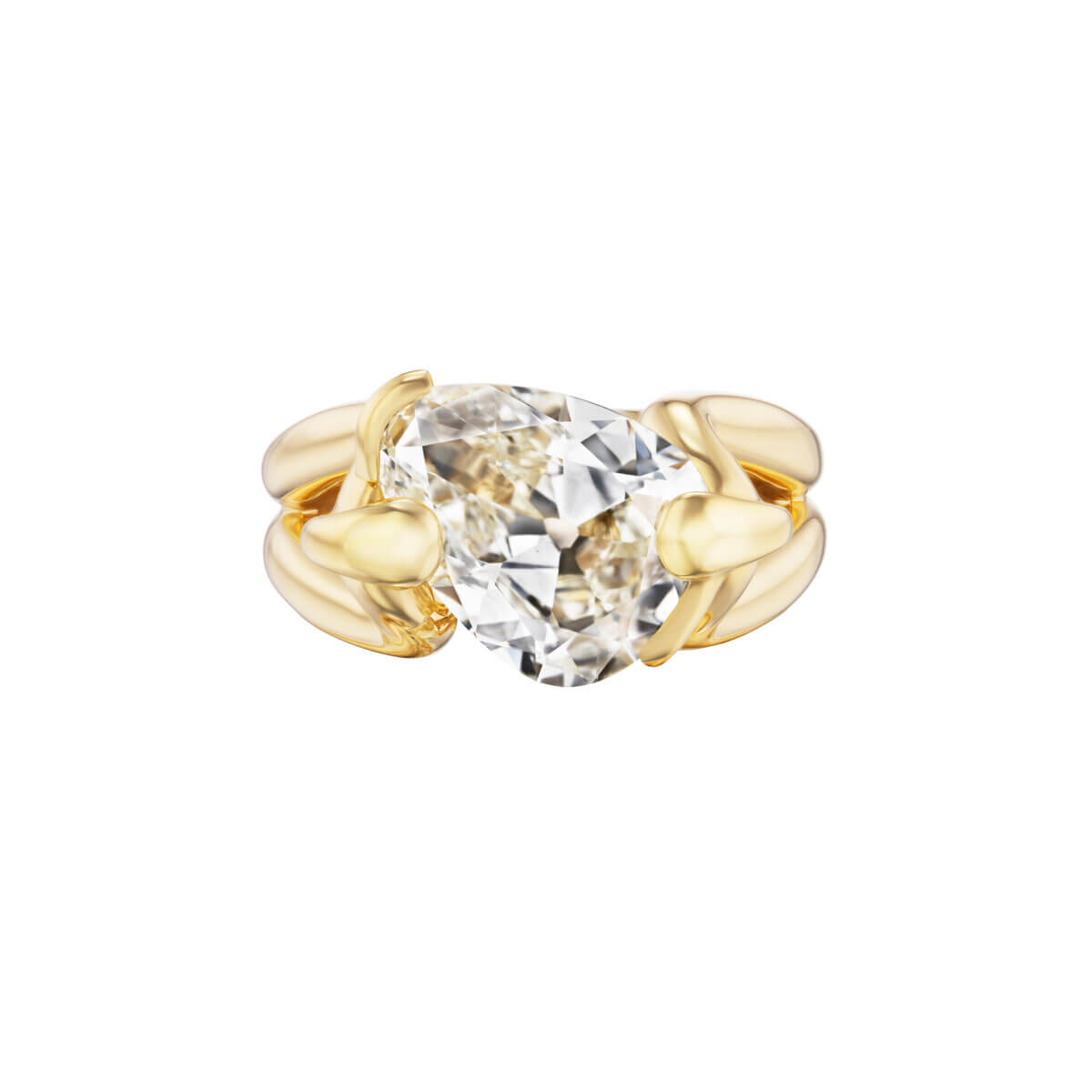
Image courtesy of Uniform Object
April: Diamond
Those born in April are lucky enough to call diamonds, one of the world’s most sought-after and adored gemstones, their birthstone. Diamonds are a symbol of clarity and strength. The gem is so strong, in fact, that its name comes from the Greek word “adamas,” which means “invincible” or “unbreakable.”
Over the centuries, the diamond was thought to be an antidote to poison and provide protection against the plague. Some claim that it is a boon for longevity, strength, beauty and happiness.
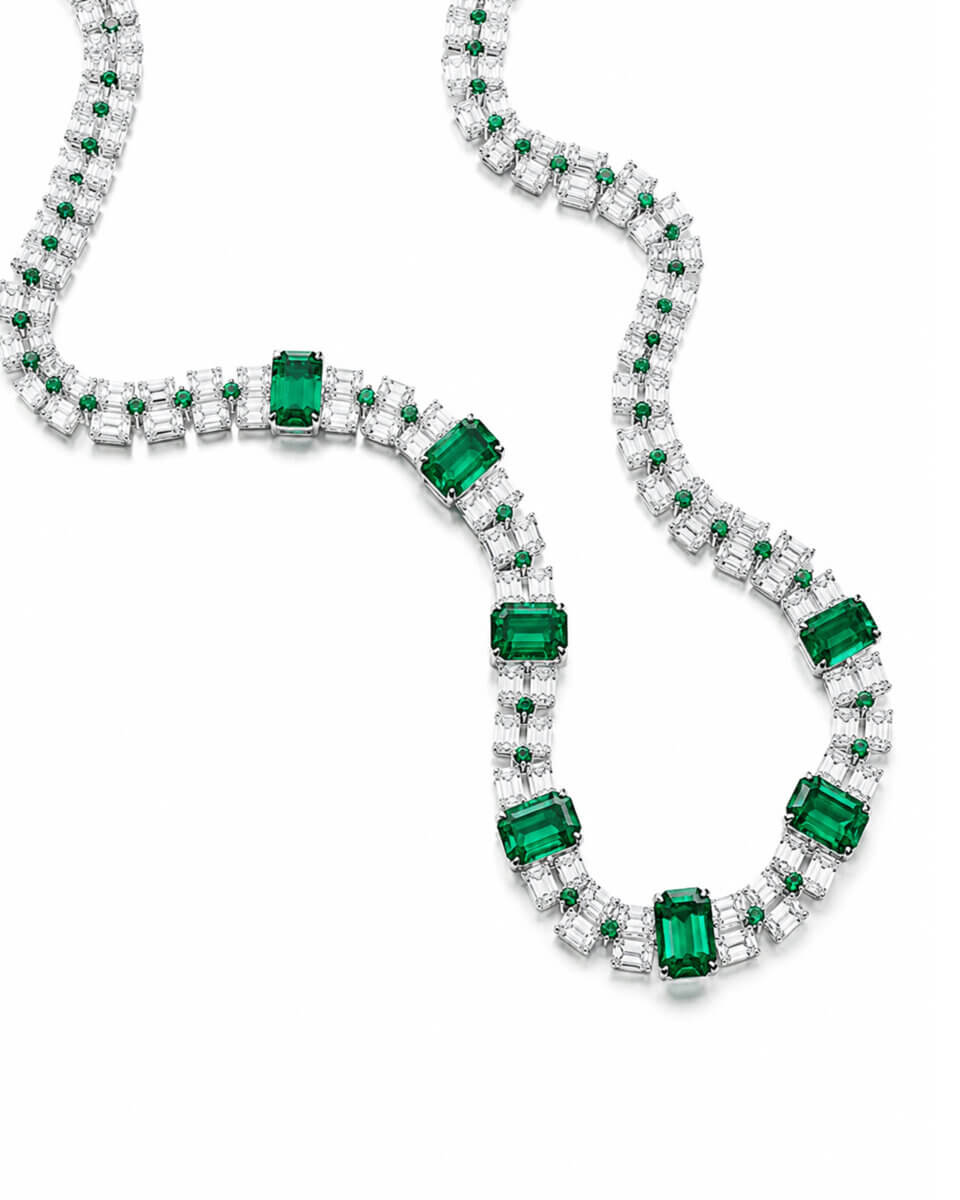
Image courtesy of BAYCO
May: Emerald
Emerald, the birthstone for May, has been beloved for millennia, and evokes rebirth and renewal. Legend has it that emerald has the power to make its wearer more intelligent and quick-witted, and it was once believed to cure diseases like cholera and malaria.
From Egyptian pharaohs to Inca emperors, emerald has enchanted royalty. The green birthstone has also been thought to have magical powers; by placing it under the tongue, one could see into the future, and some believed it made one an eloquent speaker and exposed lovers who made false promises.
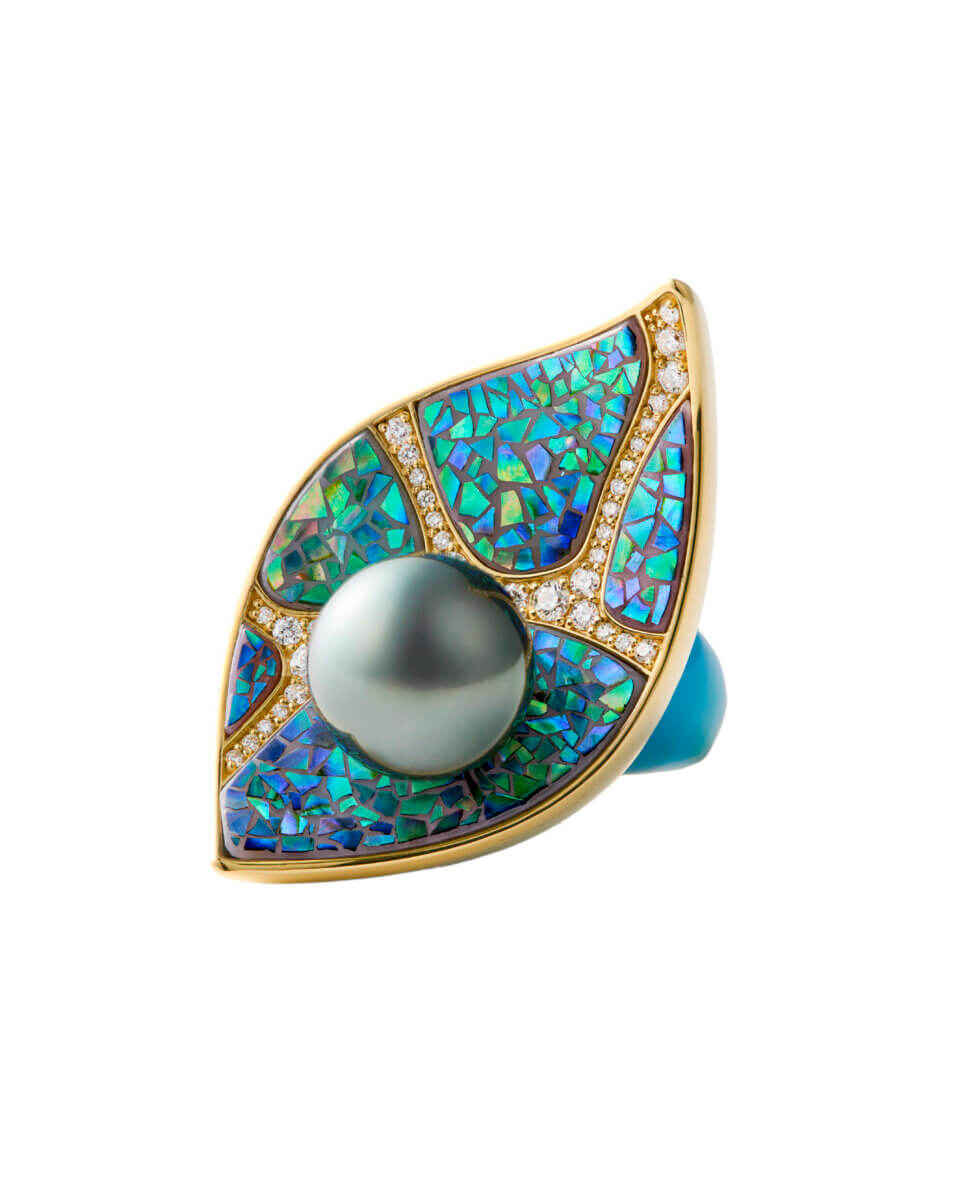
Image courtesy of JIAHN
June: Pearl, Alexandrite & Moonstone
If you were born in the month of June, you are lucky enough to have three birthstones to call your own, pearl, alexandrite and moonstone.
Pearls have long been associated with purity, humility and innocence. In ancient Sanskrit text, pearls were said to bestow long life and prosperity. Some 19th century Arab physicians maintained that pearl powder improved eyesight, quieted nervous tremors and eased depressions.
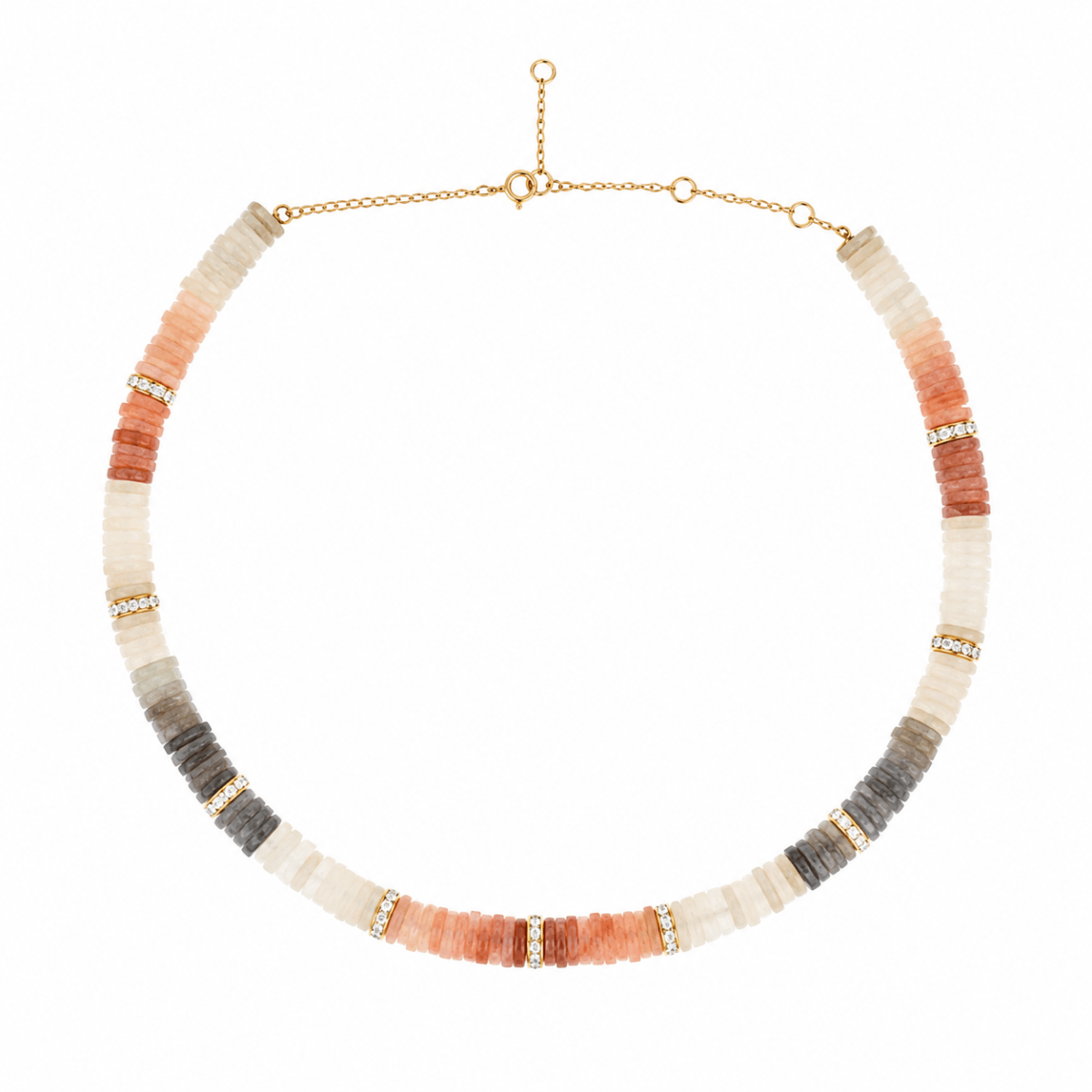
Image courtesy of Karina Choudhrie
Moonstone is often associated with love, passion and fertility; it is believed to bring great luck.
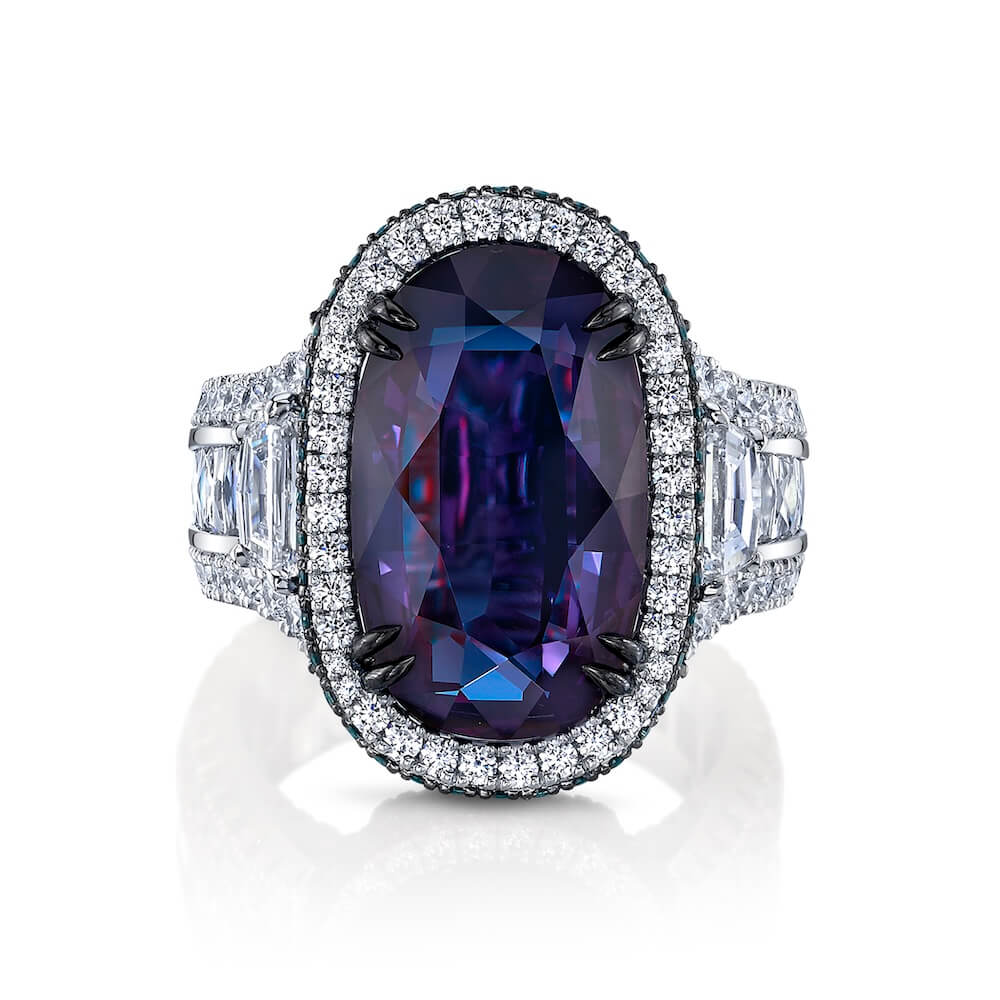
Image courtesy of Omi Privé
Alexandrite is the rare variety of the mineral chrysoberyl that changes color in different lighting.
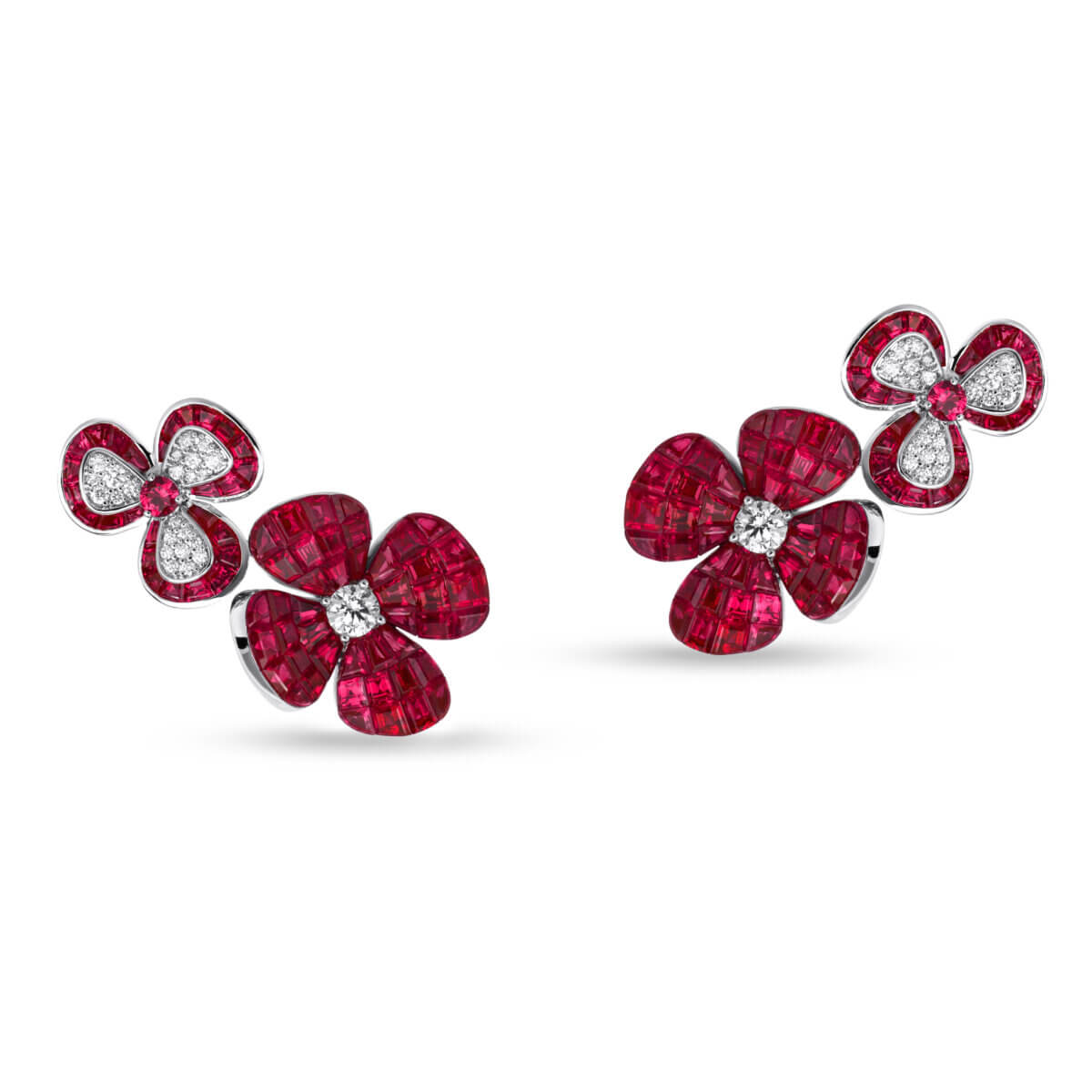
Image courtesy of Stenzhorn
July: Ruby
Ruby is the July birthstone and it’s one of the most coveted of gems. The name is derived from the Latin word ruber, meaning “red” – the color of love and passion.
In ancient India, ruby was called the “king of precious stones” for its rarity, hardness, beauty and seemingly mystical powers. Long associated with the life force blood, ruby was a symbol of power and youthful energy in Indian jewelry. In past centuries, some believed this birthstone for July could predict misfortune or danger.
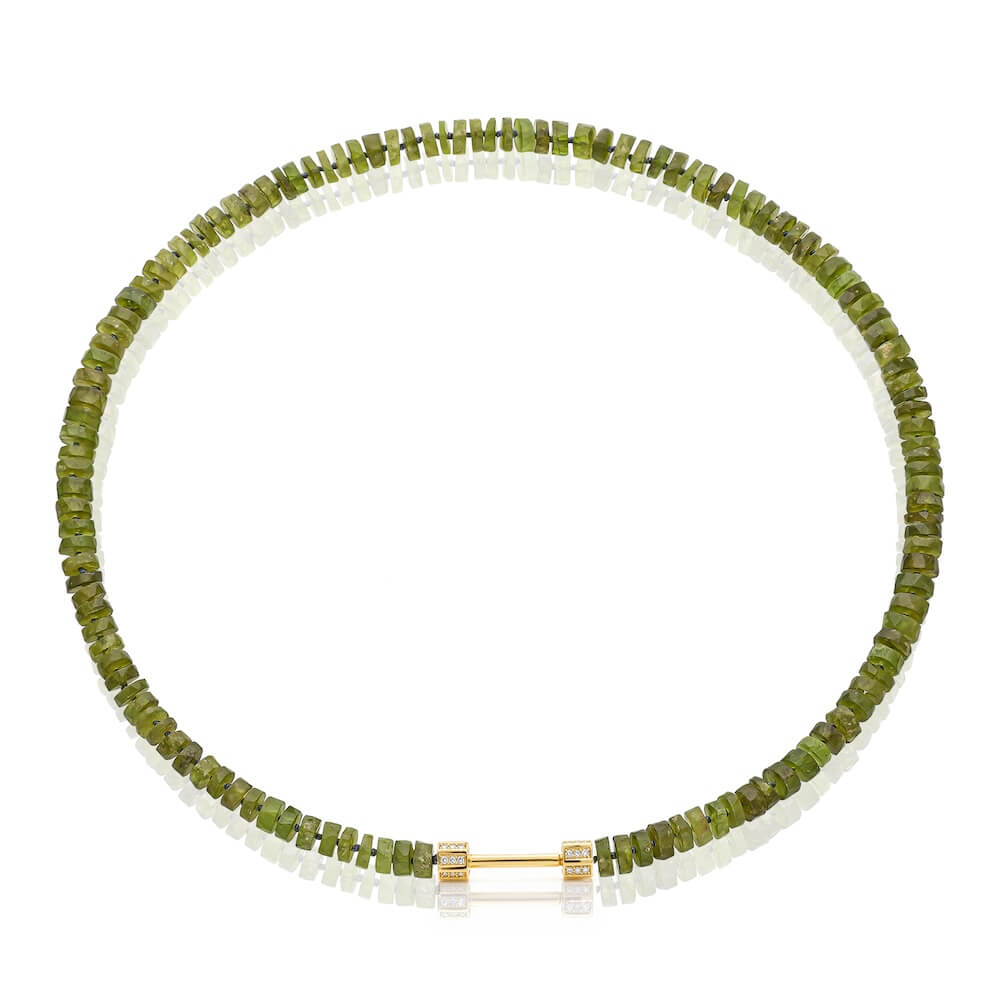
Image courtesy of İTÄ
August: Peridot, Spinel & Sardonyx
Peridot, spinel and sardonyx are the three birthstones for August. Peridot has been used for centuries as a protective talisman, shielding the owner from evil spirits and “terrors of the night.”
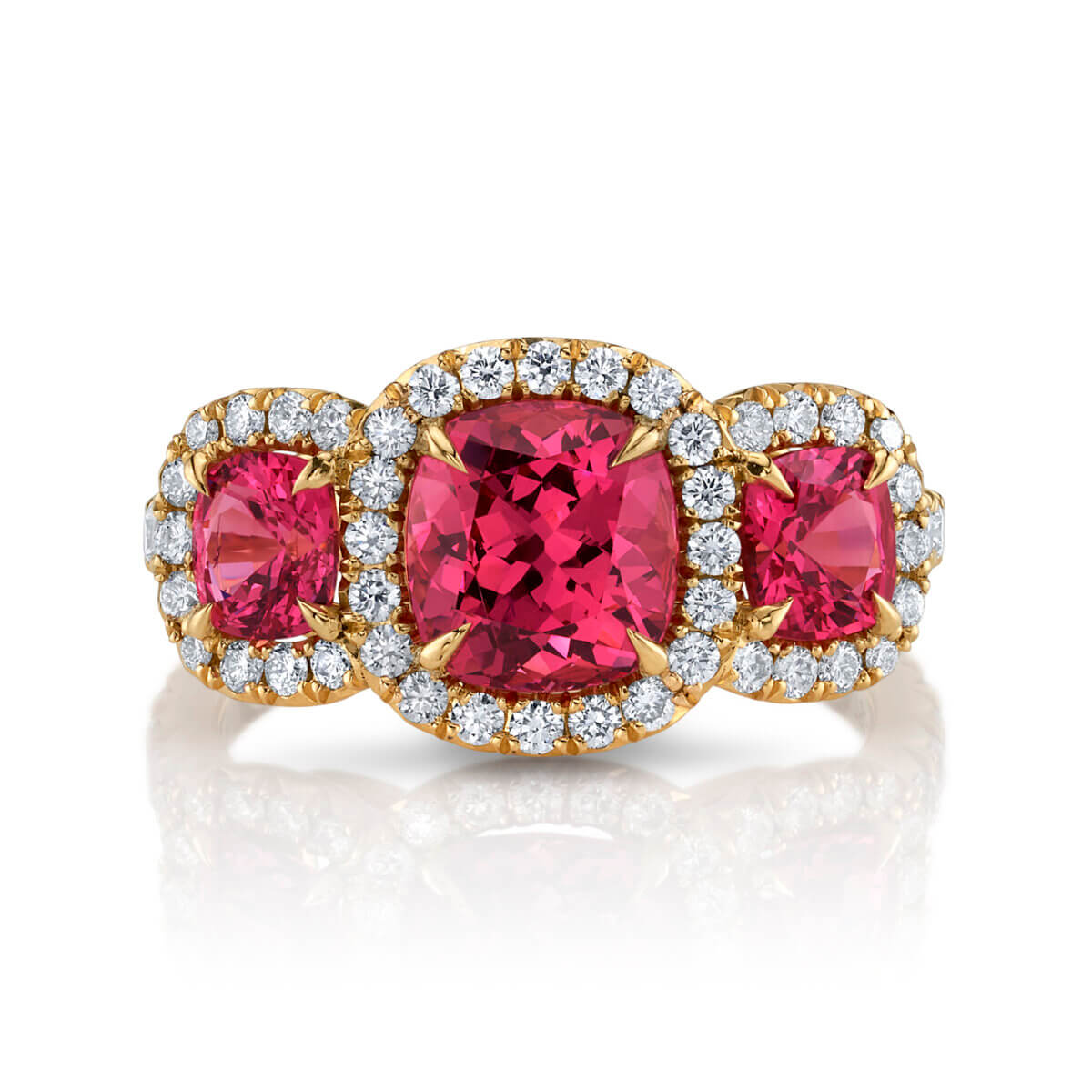
Image courtesy of Omi Privé
For centuries, spinel was mistaken for other gemstones. Some of history’s most famous “rubies” have actually turned out to be this August birthstone. Red spinel (the gemstone comes in a wealth of colors) was thought to be a remedy for all types of blood loss and inflammatory diseases and to ease anger and promote harmony. The most ancient of the August birthstones, sardonyx, was a popular stone for Roman seals and signet rings.
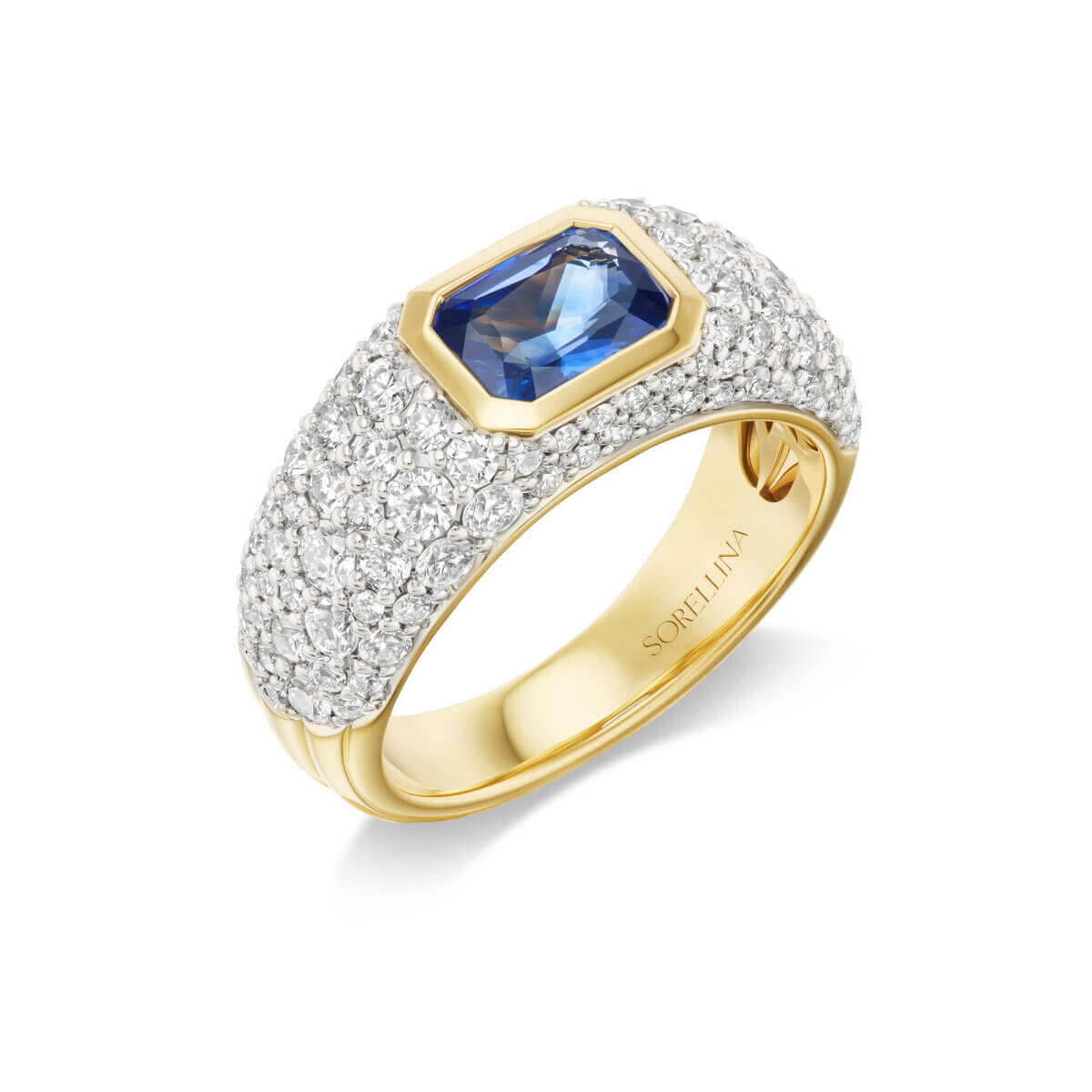
Image courtesy of Sorellina
September: Sapphire
The September birthstone is sapphire – a gem that’s been cherished for thousands of years. Although the term sapphire usually conjures the blue variety of corundum (ruby is the red variety), this birthstone comes in a rainbow of other colors.
The elite of ancient Greece and Rome believe that blue sapphires protected their owners form harm and envy. Clerics of the Middle Ages wore sapphires because they symbolize Heaven. Ancient Persians believed the earth actually rested on a giant sapphire, which made the sky blue.
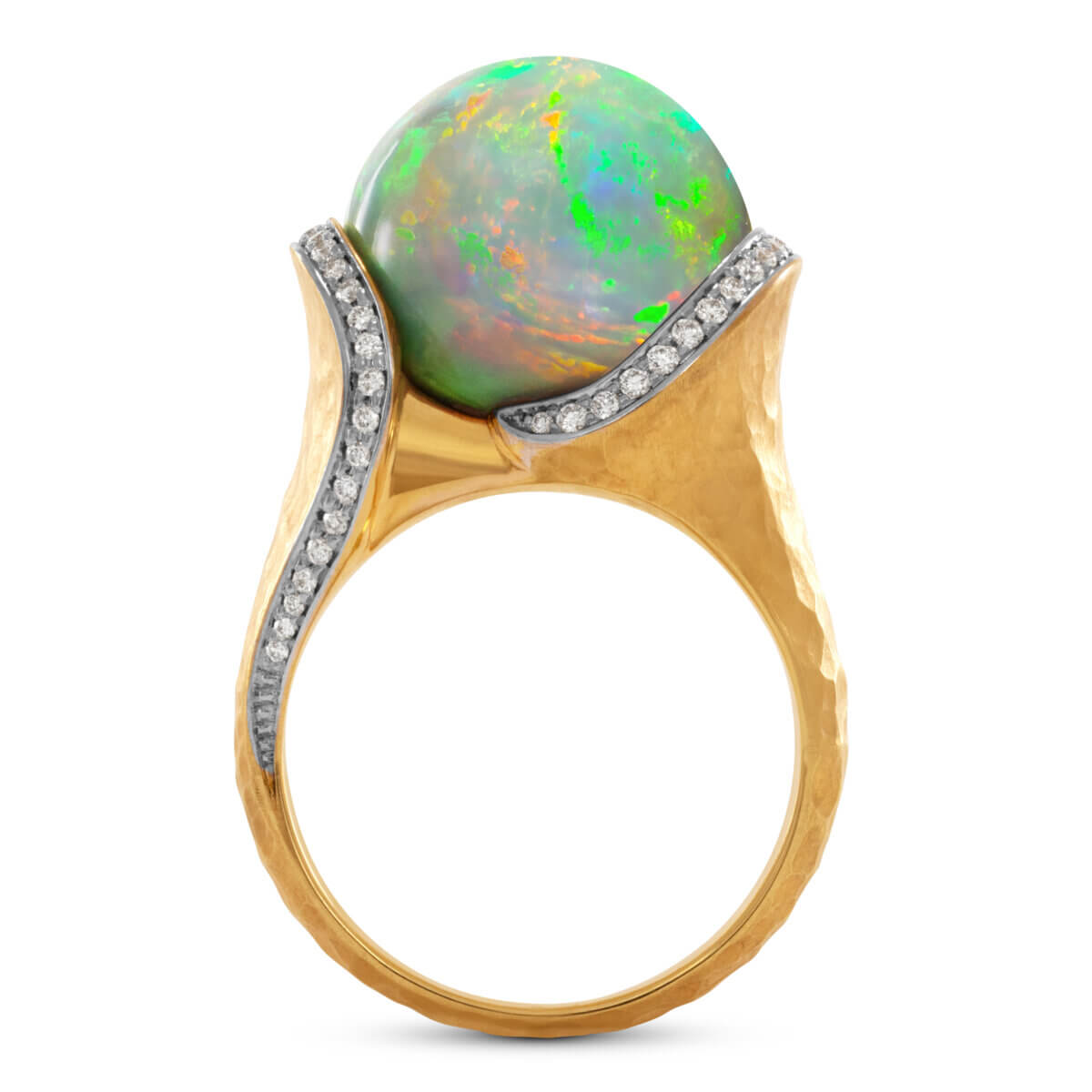
Image courtesy of Jorge Adeler
October: Opal & Tourmaline
Those born in October enjoy two spectacular birthstones – opal and tourmaline. Opals’ dramatic play of color has inspired writers to compare it to fireworks, galaxies and volcanoes. Bedouins once believed opal held lightning and fell from the sky during thunderstorms. Ancient Greeks thought opals bestowed the gifts of prophesy and protection from disease. Europeans long maintained opal to be a symbol of purity, hope and truth.
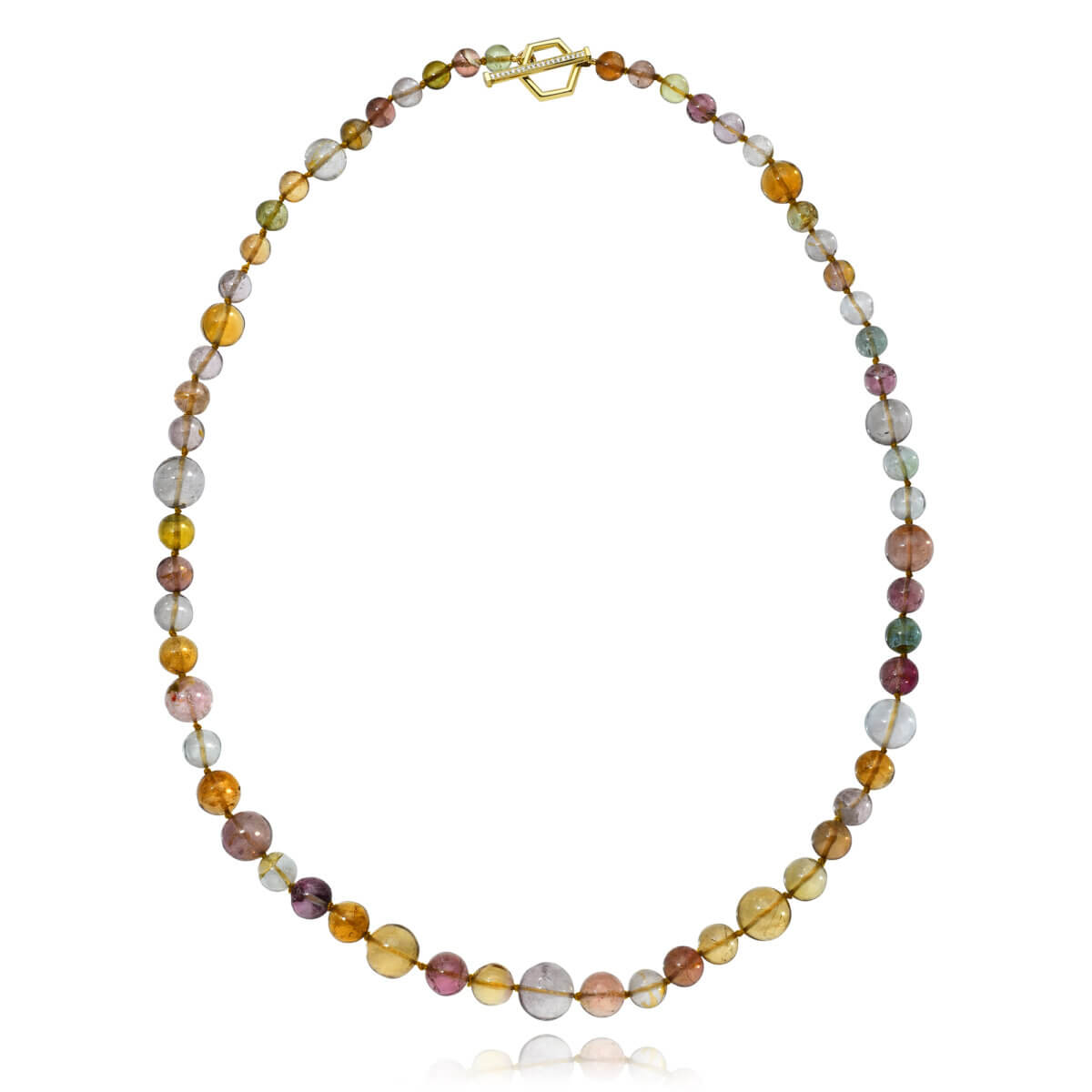
Image courtesy of Meredith Young
Tourmaline is the newer October birthstone. Very few gems match tourmaline’s dazzling array of colors. Perhaps this is why ancient mystics believed this October birthstone could inspire artistic expression – it has a color palette for every mood.
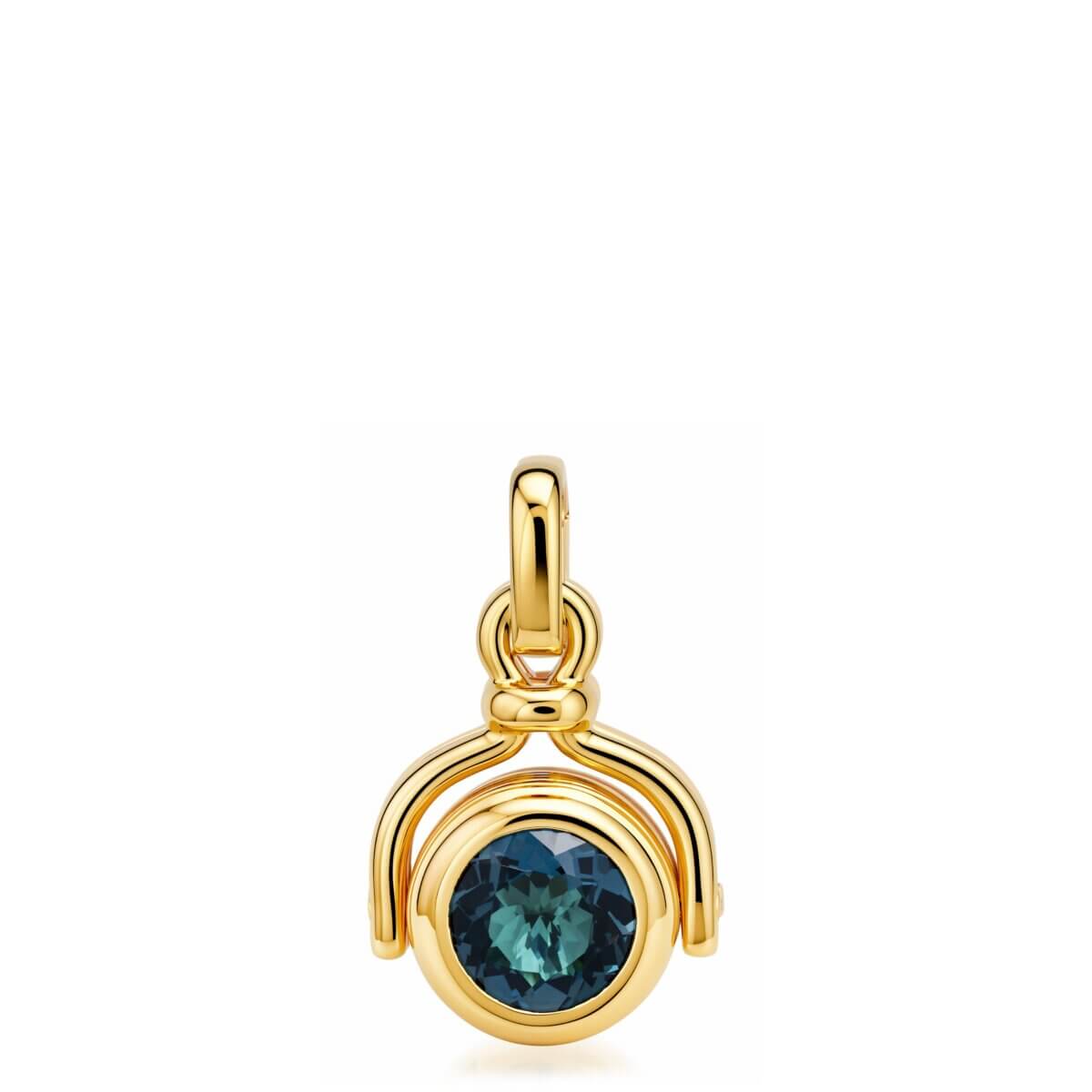
Image courtesy of Helena Rose
November: Topaz & Citrine
Those with November birthdays have two beautiful birthstones to choose from: topaz and citrine. The ancient Greeks believed that topaz gave them strength. From the 1300s to the 1600s, Europeans thought it could thwart magic spells and dispel anger. For centuries, many people in India have believed that topaz worn above the heart assures long life, beauty and intelligence.
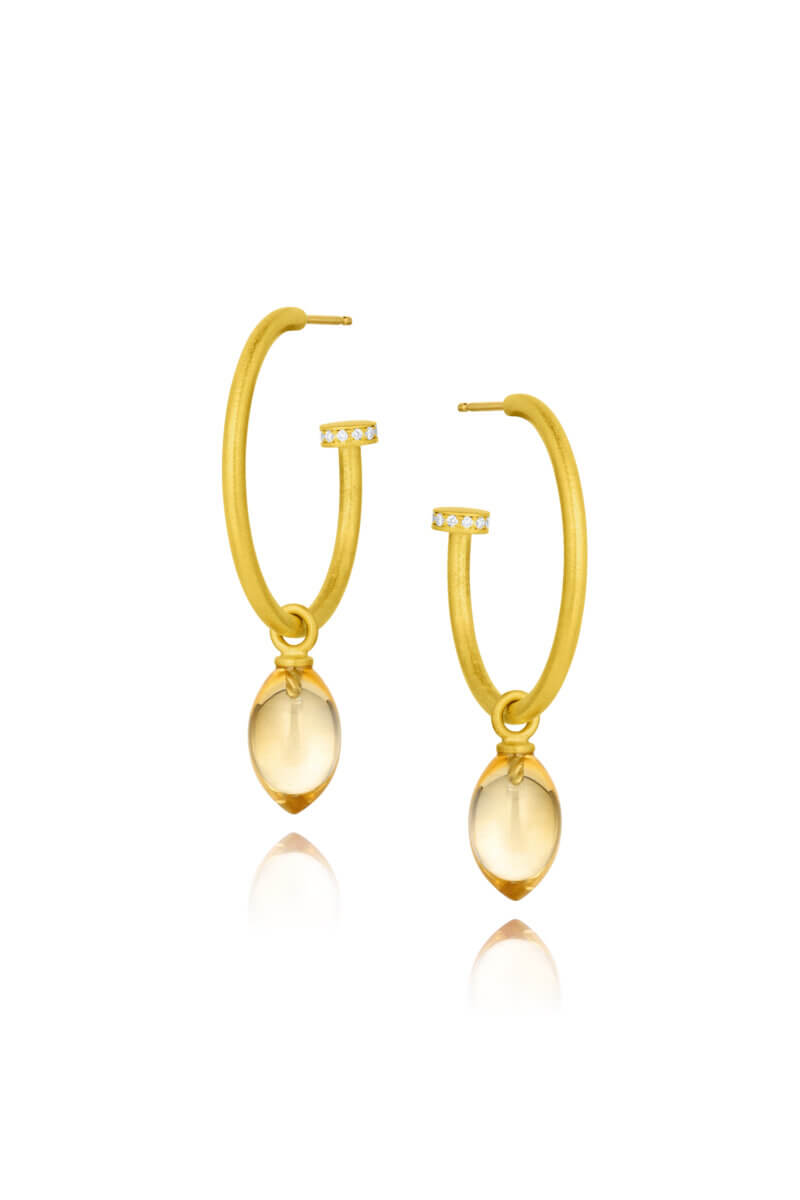
Image courtesy of Leigh Maxwell
Citrine has been a popular gemstone since ancient times and has shared a history of mistaken identities with topaz. As a result, people thought citrine had the same powers as topaz. They believed the citrine birthstone could soothe tempers and calm the wearer.
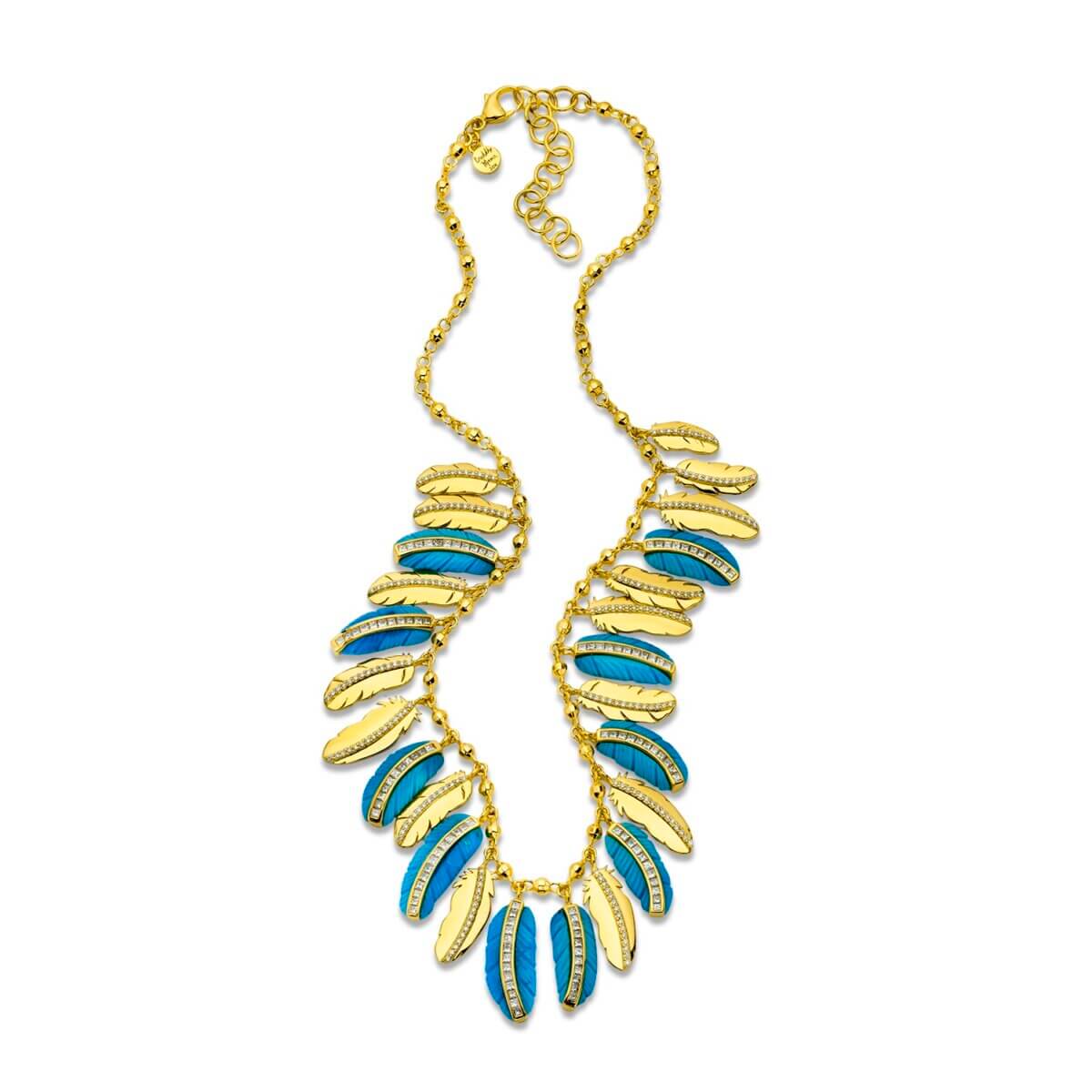
Image courtesy of Buddha Mama
December: Tanzanite, Turquoise & Zircon
All three of December’s birthstones, tanzanite, turquoise and zircon, showcase unique takes on the color blue. From the 13th century on, turquoise was believed to protect the wearer from falling and would break into several pieces at the approach of disaster. The gem has also played an important role in the lives of Indigenous Americans.
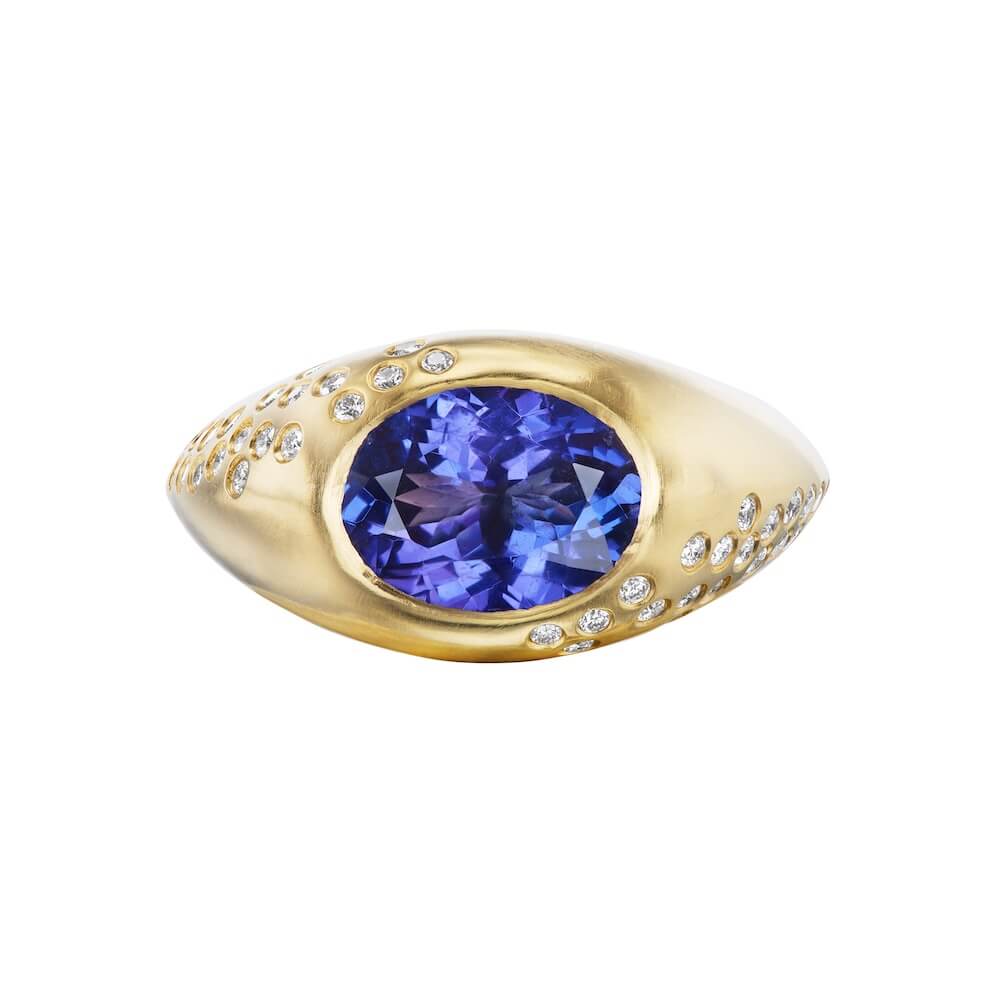
Image courtesy of Ophelia Eve
Tanzanite may be a relative newcomer to the world of colored stones, but it was one of the most exciting gem discoveries of the 20th century and is named after its country of origin.
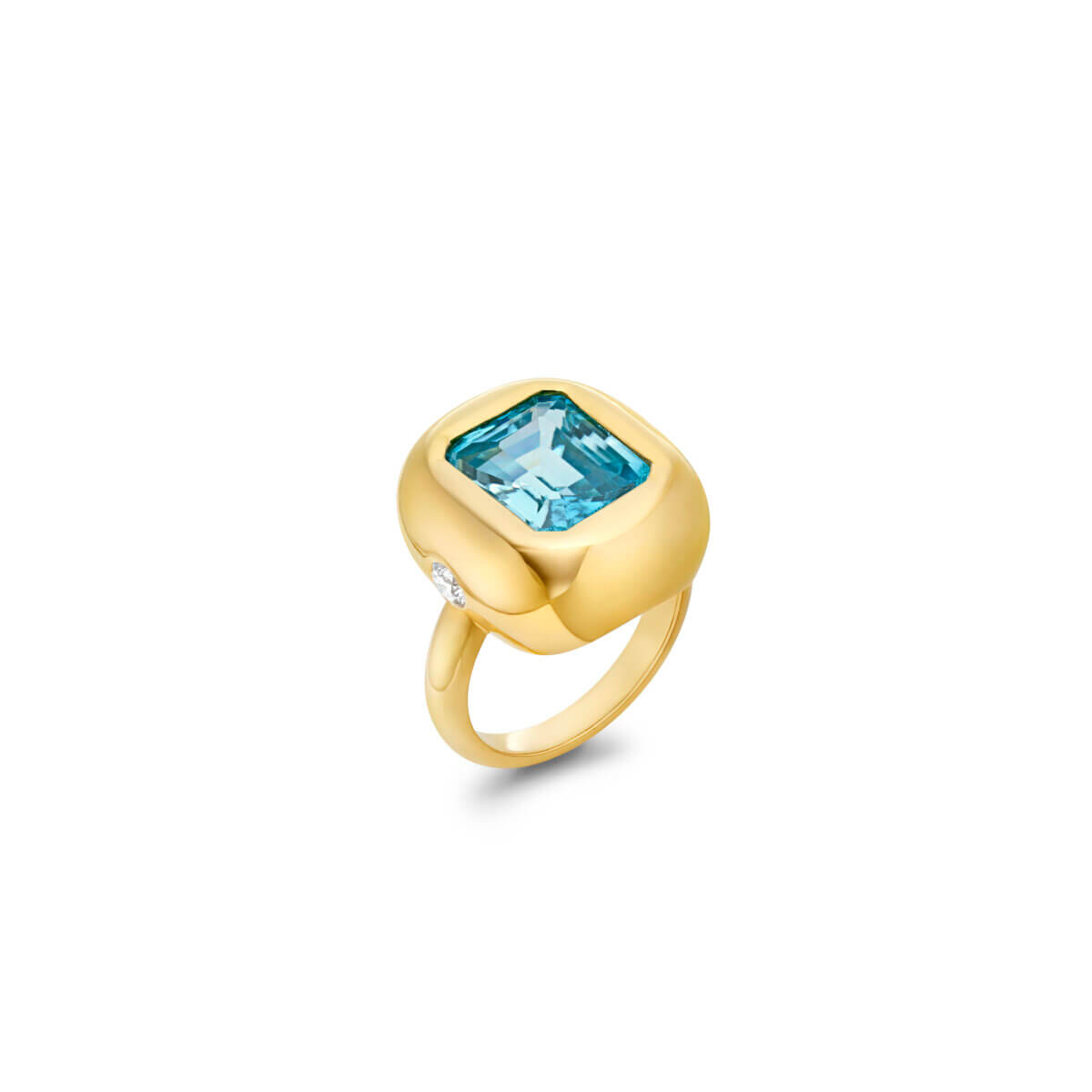
Image courtesy of Van Robot
During the Middle Ages, Zircon was thought to lull one into a deep sleep and scare off evil spirits.
You May Also Like
-
The Edit: Form, Function & Fidget
We often taut the “talismanic effects” of jewelry, even noting the increased appeal, during troubling times, of pieces that are imbued with spiritual meaning. Yet for those of...
 Read Now < 1 Min Read
-
All That Glitters: An Ode to Dolly
If you’re anything like me, Dolly Parton songs (and her every movie and public appearance) have been on repeat since the devastating news of her death on August...
Read Now 2 Min Read -
Brandmaxxing: Wear it Like You Mean It
Whether they come from multi-generation businesses, they always knew they’d be a jewelry designer, or they discovered their love for the artform after another career, COUTURE’s designers and...
Read Now < 1 Min Read